Many air-to-air (A2A) heat pumps struggle to maintain a stable room temperature because the temperature sensor is often found inside the wall-mounted indoor unit. This is usually high on the wall, and is prone to reading a warmer temperature than other parts of the room and therefore the units often shut off prematurely. At low fan speeds, poor air circulation can also cause cold spots and inconsistent temperatures.
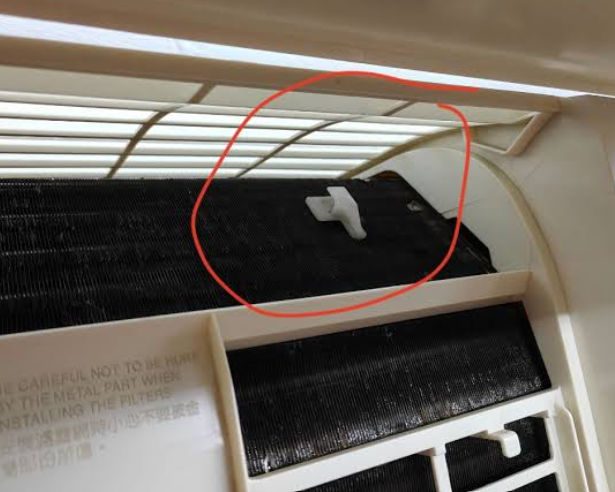
You probably won’t be surprised to know that many installers and manufacturers pretend this isn’t an issue. Which might be why you are reading this.
Before buying additional controls, try increasing the fan speed and angling the vanes downwards. If your room is small then some people find that blowing horizontally also works well. Blowing downwards helps to mix air and often improves temperature distribution. If you do not find that comfortable, nor want the additional noise or air movement, then you will need an external temperature sensor.
Some manufacturers, like Midea, put an additional temperature sensor in the remote control.
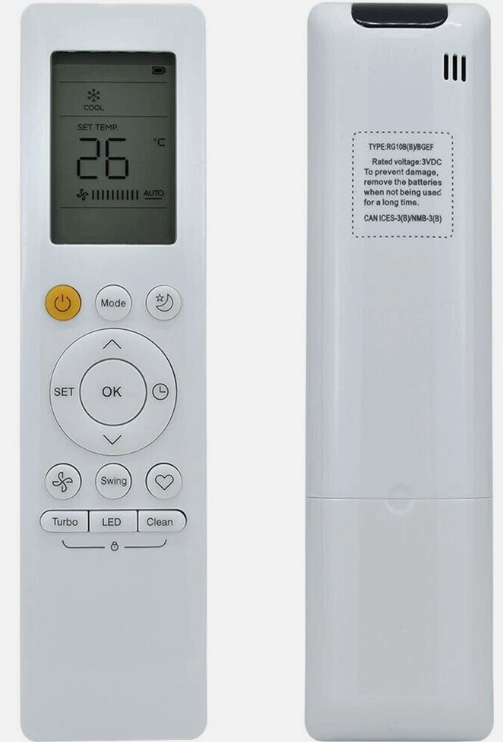
Midea remote controller – top right grate on is the temperature sensor location.
Some (but not all) manufacturers support manufacturer-supplied wall-mounted sensors or thermostats. Some manufacturers that don’t have external temperature sensors available for their splits are Panasonic and Toshiba. I believe Mitsubishi Electric has a wall mounted controller, but it doesn’t have a temperature sensor within it.
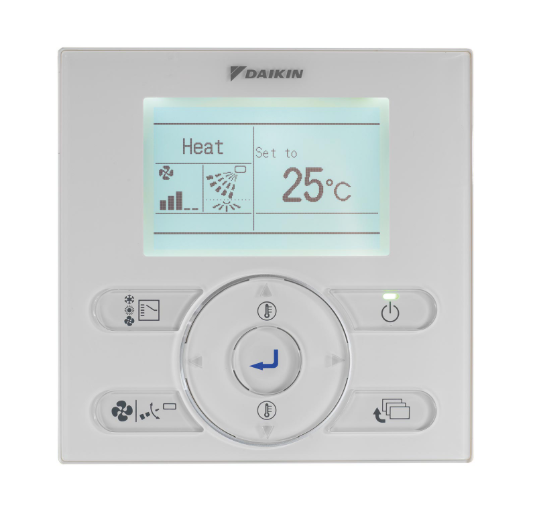
Daikin’s BRC073 is a wall mounted controller with an temperature sensor in it.
Third-party options come in several forms:
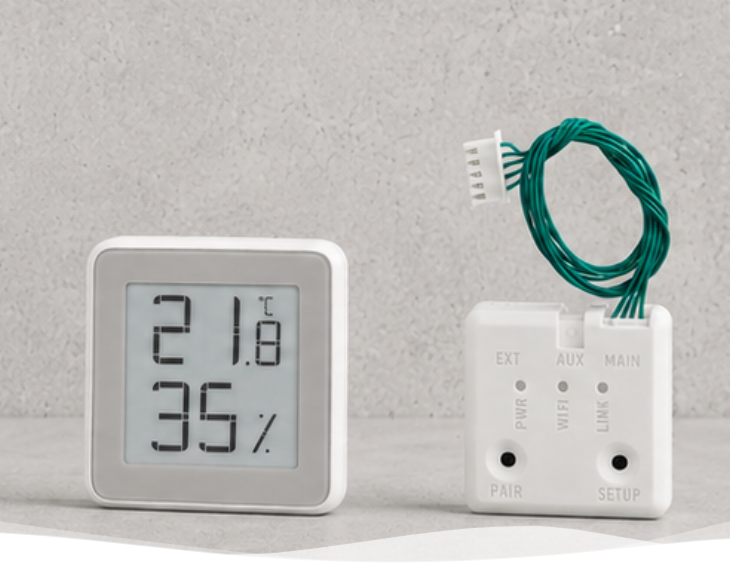
- ProtoART offers advanced control and monitoring. Installation is relatively involved, and you use a separate app instead of the standard remote. However, it can integrate with Home Assistant and devices such as window sensors, allowing the heat pump to switch off when a window is opened. With some units, including those from Mitsubishi Heavy Industries, it can also display detailed information such as temperatures and compressor speed. This makes it particularly useful for technically minded users.Es Tresidder has fitted one to his Mitsubishi Heavy Industries unit and reports that it has improved his experience. [https://www.highlandpassive.com/a2a-remotethermostat/]
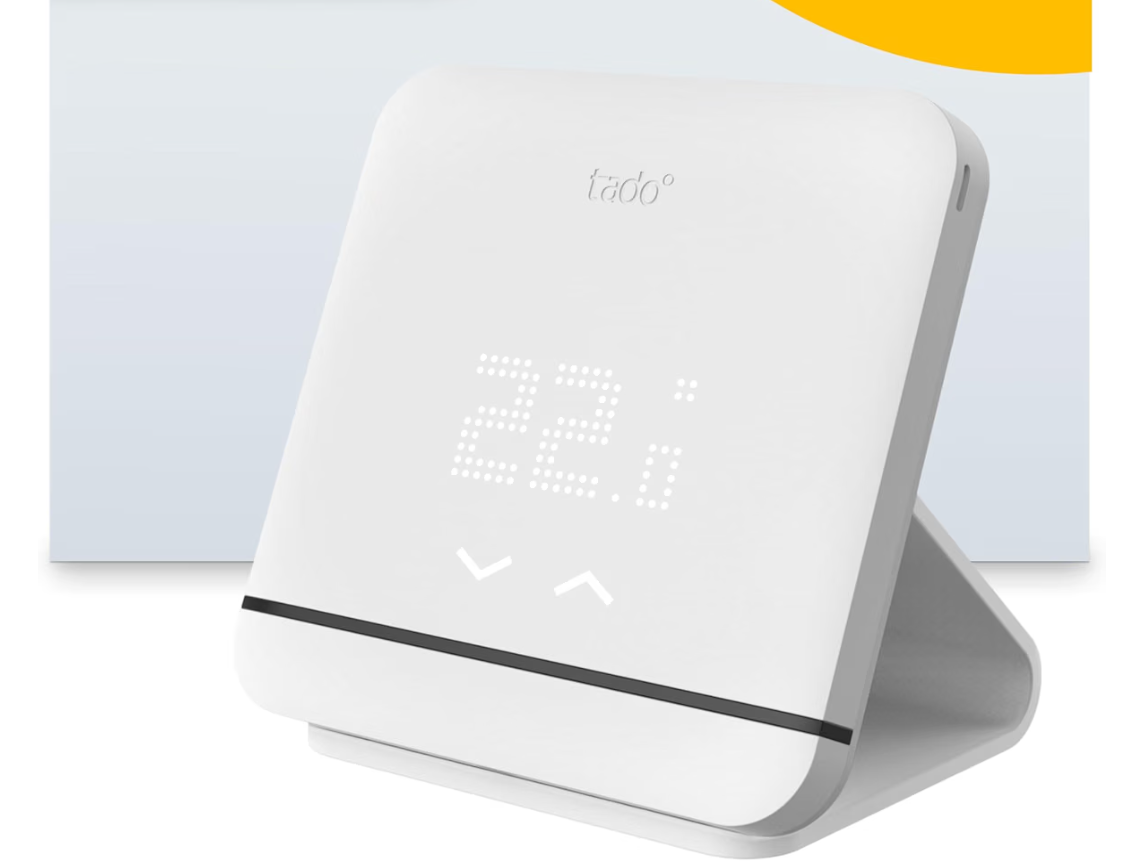
- tado° Smart AC Control is probably the most straightforward option for many UK users. It controls the heat pump using infrared, like the supplied remote, but measures the temperature near the controller rather than inside the indoor unit. https://amzn.to/4rPZzdn
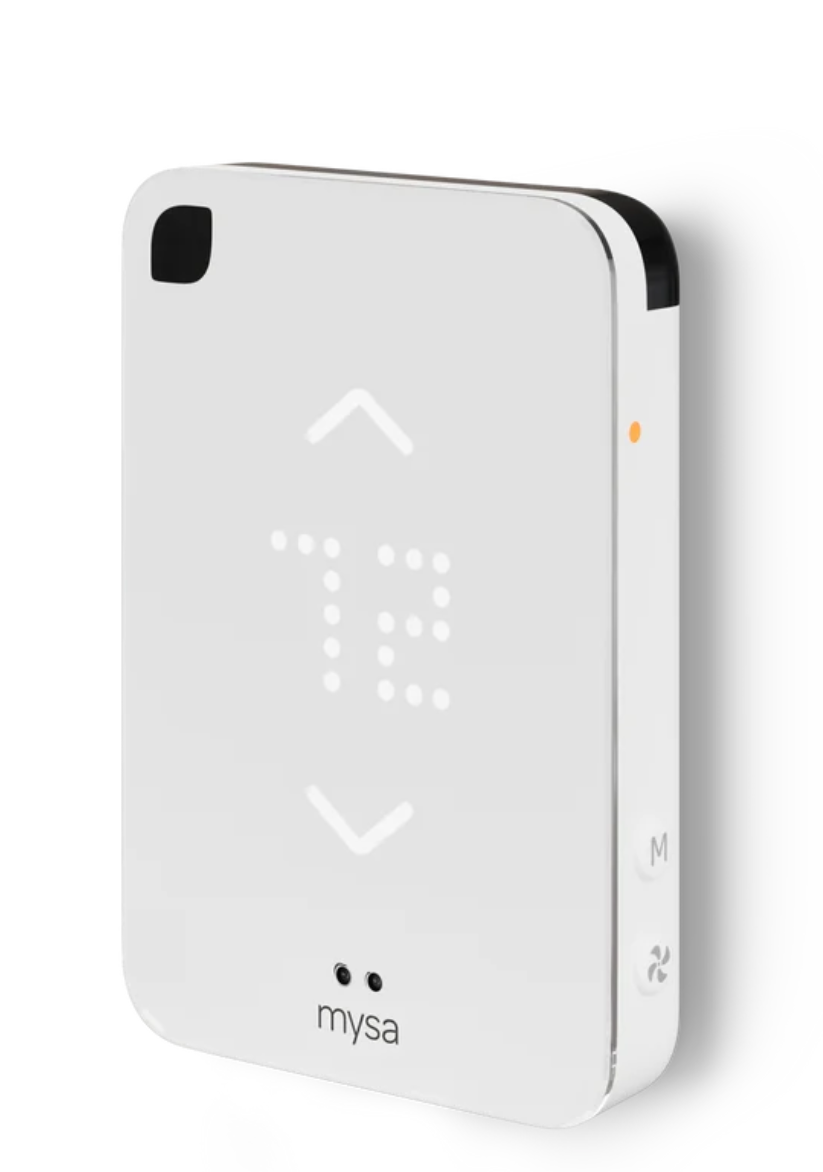
- Mysa Smart Thermostat is another well-regarded option, particularly for users in the US: https://getmysa.com/